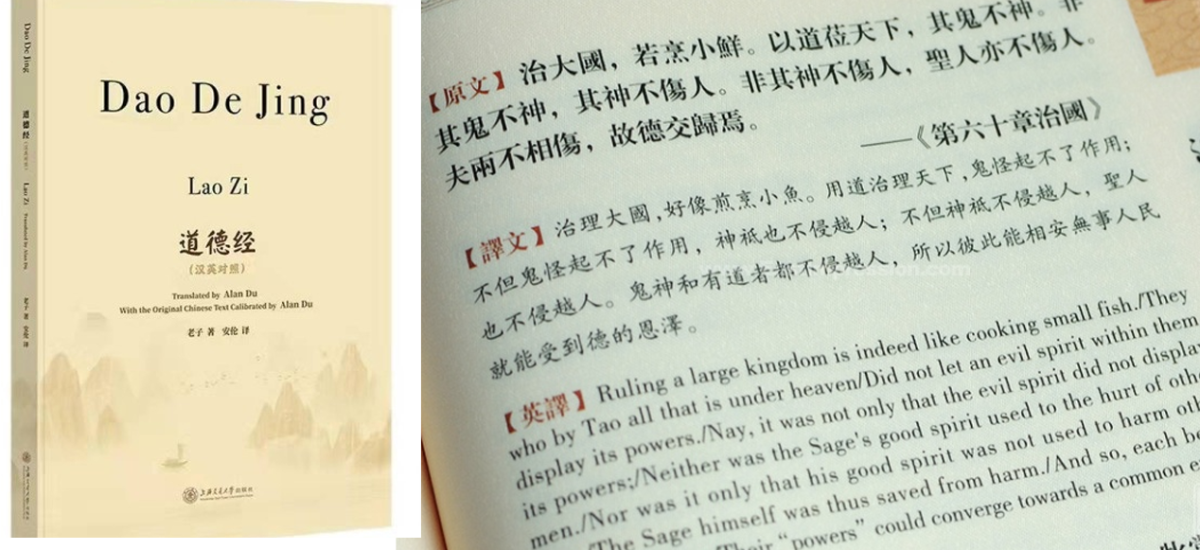
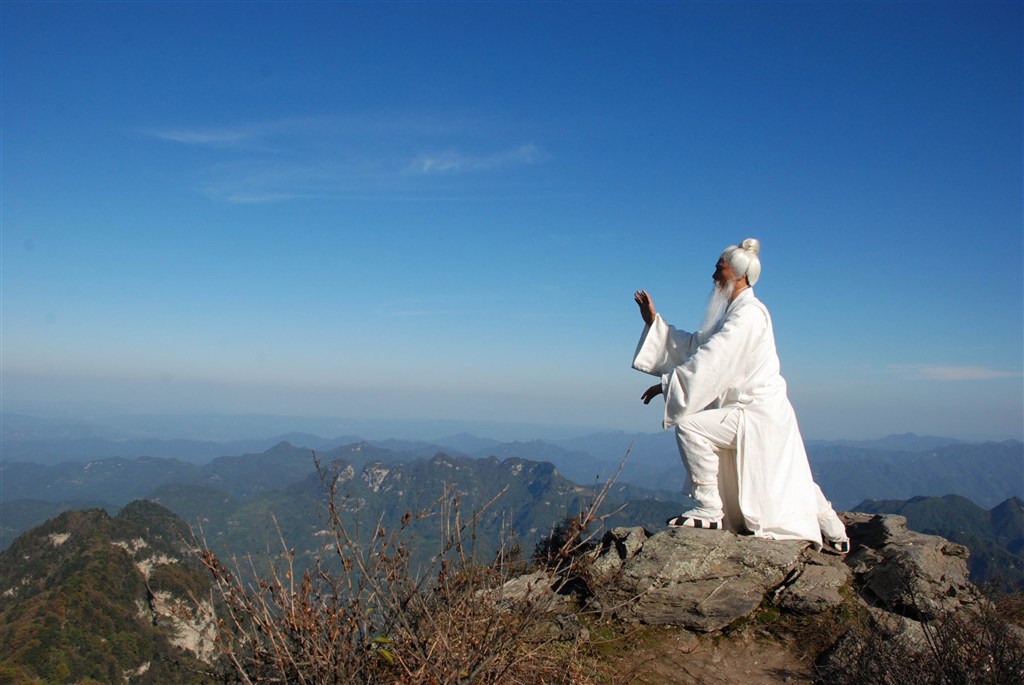
Tao and Dizi
Dizi channels breath through yin-yang, notes summon crane-clouds. Fingers shift rhythms with breath, melody ends where pines continue. All echoes return to silence, merging with the Dao's stillness.



In Taoism's practice system, the flute has never been merely an accompaniment instrument for rituals—it is a crucial medium for Taoists to cultivate themselves and attain the Dao. The practice of playing the flute aligns deeply with the core cultivation pursuits of Taoism, shaping Taoists' physical and mental states from the inside out.
Regulating Qi to Carry the Dao, Aligning with the Pursuit of Nurturing Qi and Self-Cultivation
Taoist practice has always attached great importance to the cultivation of "Qi", holding that "Qi commands the blood; when Qi settles, the spirit settles; when the spirit settles, the nature becomes stable". The core of playing the flute lies precisely in the precise control of breath. Playing requires the performer to sink Qi to the dantian, drive the breath to flow out slowly through abdominal breathing. If the breath is too light, the tone drifts; if the breath is too heavy, the tone becomes muffled. Only with steady, unhurried and even breath can a clear, mellow and far-reaching flute sound be produced. This long-term breath training is itself a daily practice of Taoist breathing regimen: when a Taoist practices the flute every day, it is essentially a daily exercise of breathing. Over time, it not only regulates the internal Qi of the body, but also gradually cultivates a peaceful and enduring internal Qi, which fully conforms to the cultivation goal of "refining Qi and nurturing the spirit". Many Taoists in temples will spend 15 minutes playing the flute every morning even when there is no ritual to hold, which is exactly taking flute playing as a regular health maintenance practice.
Practicing the Flute to Refine the Mind, Practicing the Static Cultivation Requirement
The core of Taoist self-cultivation is to require practitioners to eliminate worldly distractions and return to an empty and clear original mind. Playing the flute exactly requires the integration of mind, breath, fingers and mouth; a little distraction will lead to wrong notes and disordered rhythm. To play a smooth and peaceful flute sound, Taoists must temporarily put aside worldly disturbances and focus all their attention on the gaps between fingers and between lips and teeth. This state is itself a meditative practice. Long-term practice of playing the flute can gradually wear away the impetuous temper in the heart, allowing people to gradually get used to concentrating their mind inward instead of chasing desires outward. As many Taoist masters often say, "If the mind is not calm, the tone will not be correct". The clarity and turbidity of the flute sound is a mirror of the state of mind. Day after day of practice is day after day of mind refining, helping practitioners gradually approach the cultivation realm of "achieving the utmost emptiness, and keeping the utmost stillness".
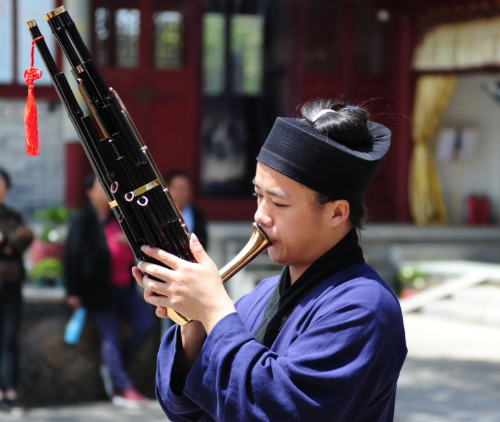
Sound Merging with the Dao, Echoing the Spirit of Following Nature
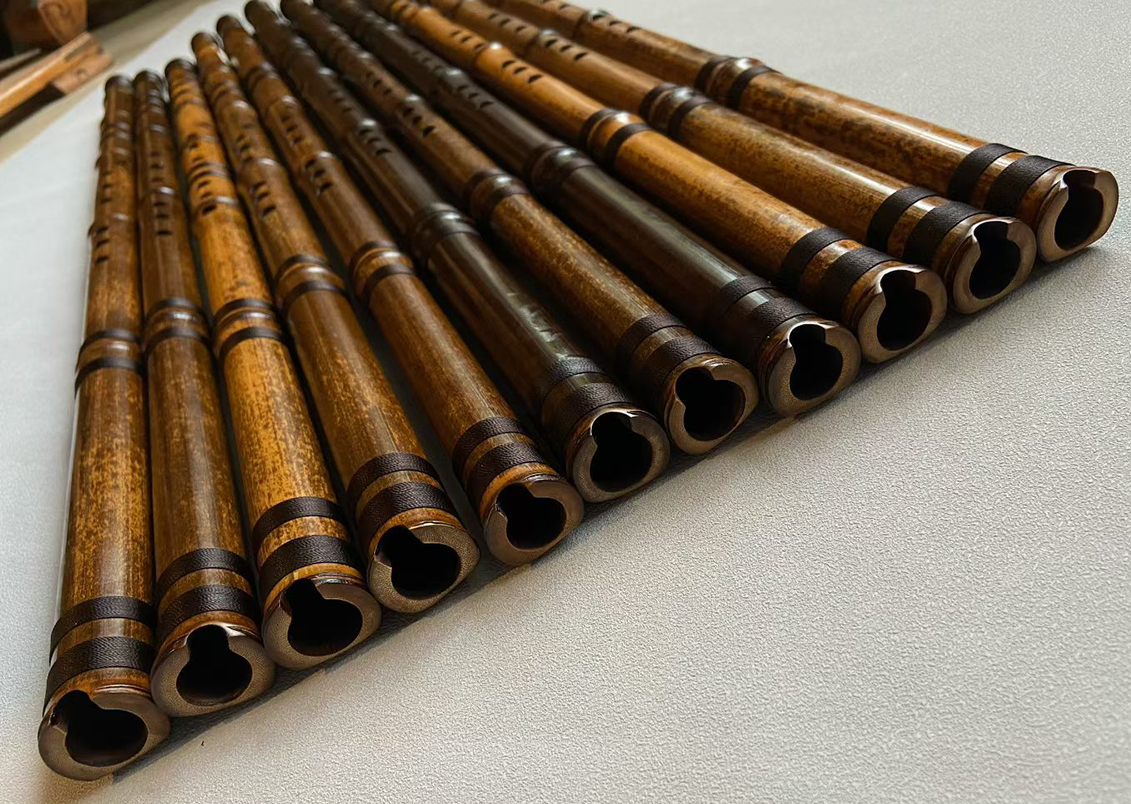
The flute itself is made of natural bamboo. Its hollowness symbolizes open-mindedness, and its nodes symbolize integrity, which exactly coincides with the spiritual pursuit of Taoism. Its tone is clear and far-reaching, it can not only express the natural interest of empty mountains and flowing water, but also set off the ethereal atmosphere of the Taoist temple, perfectly fitting the clear and ethereal temperament of Taoism. When Taoists play the flute, they essentially use natural instruments to express their understanding of heaven and earth and nature, integrate their personal mind into the melody, and then respond to the Qi of heaven and earth through the melody, finally achieving the state of "merging sound with the Dao". This experience of resonating with the Dao is itself a high-level progression of Taoist self-cultivation.
"A restless mind makes for improper tone"
From nurturing Qi to refining the mind and then merging with the Dao, the flute has long been a silent friend on the path of Taoist self-cultivation. Every wisp of flute sound contains the pursuit of the great Dao, and it is a unique part of Taoist cultivation culture.